

Introduction
The bathroom cabinet—a staple of modern bathrooms—is a functional and aesthetic cornerstone of interior design. Yet, despite its critical role, it’s surprisingly rare to find bathroom cabinets in furniture stores. This raises a key question: Are bathroom cabinets truly part of the furniture catalog, and why are they so underrepresented in retail spaces? Let’s dive into definitions, industry practices, and the evolving market to uncover the answers.
Defining Furniture vs. Bathroom Cabinets
What is Furniture?
Furniture refers to movable objects designed to support daily human activities, such as seating, storage, or decoration. By definition, furniture includes:
Functional purpose: Storage (wardrobes, shelves), seating (chairs, sofas), or surfaces (tables, desks).
Aesthetic value: Designed to enhance interior spaces.
Mobility: Freestanding or modular units not permanently fixed.
What is a Bathroom Cabinet?
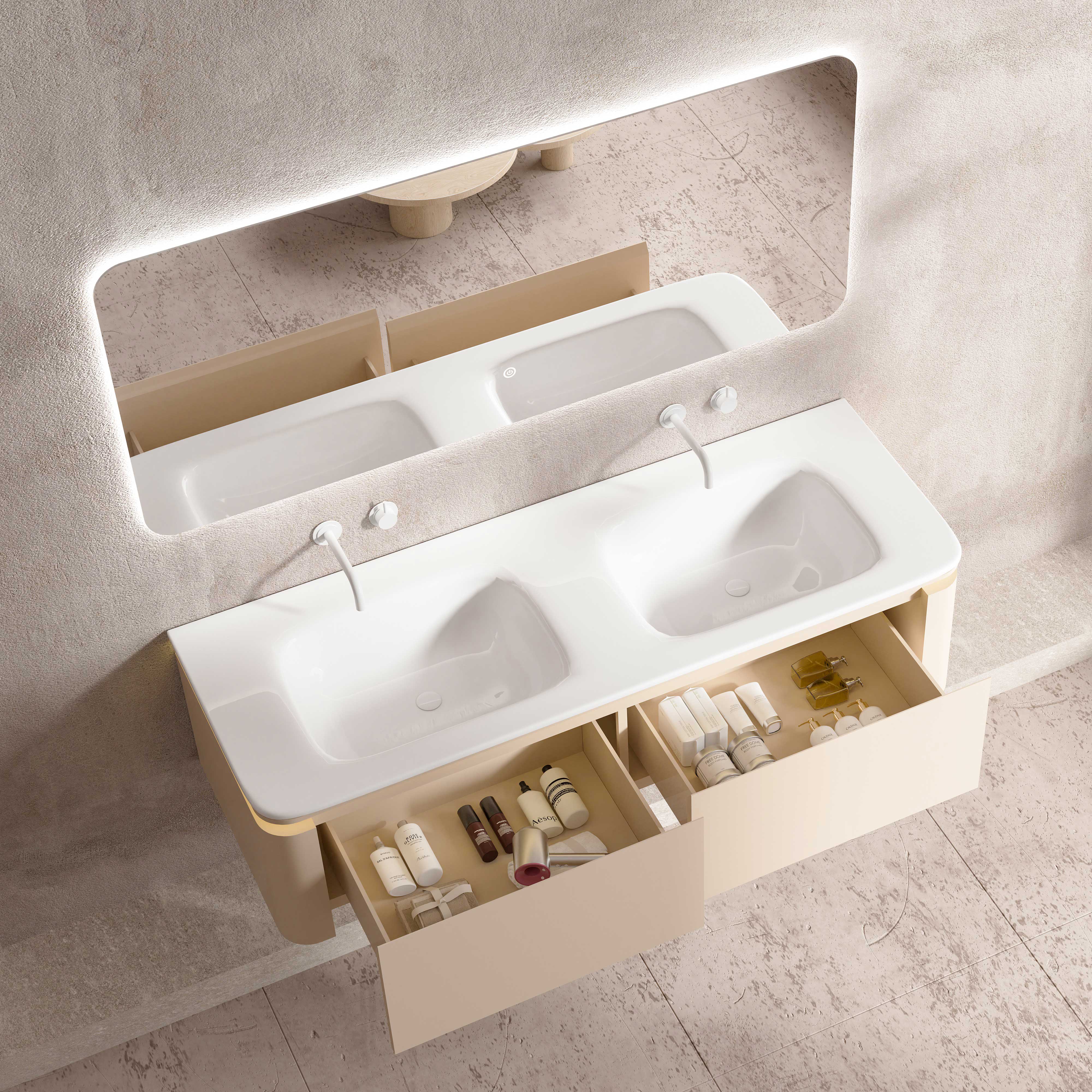
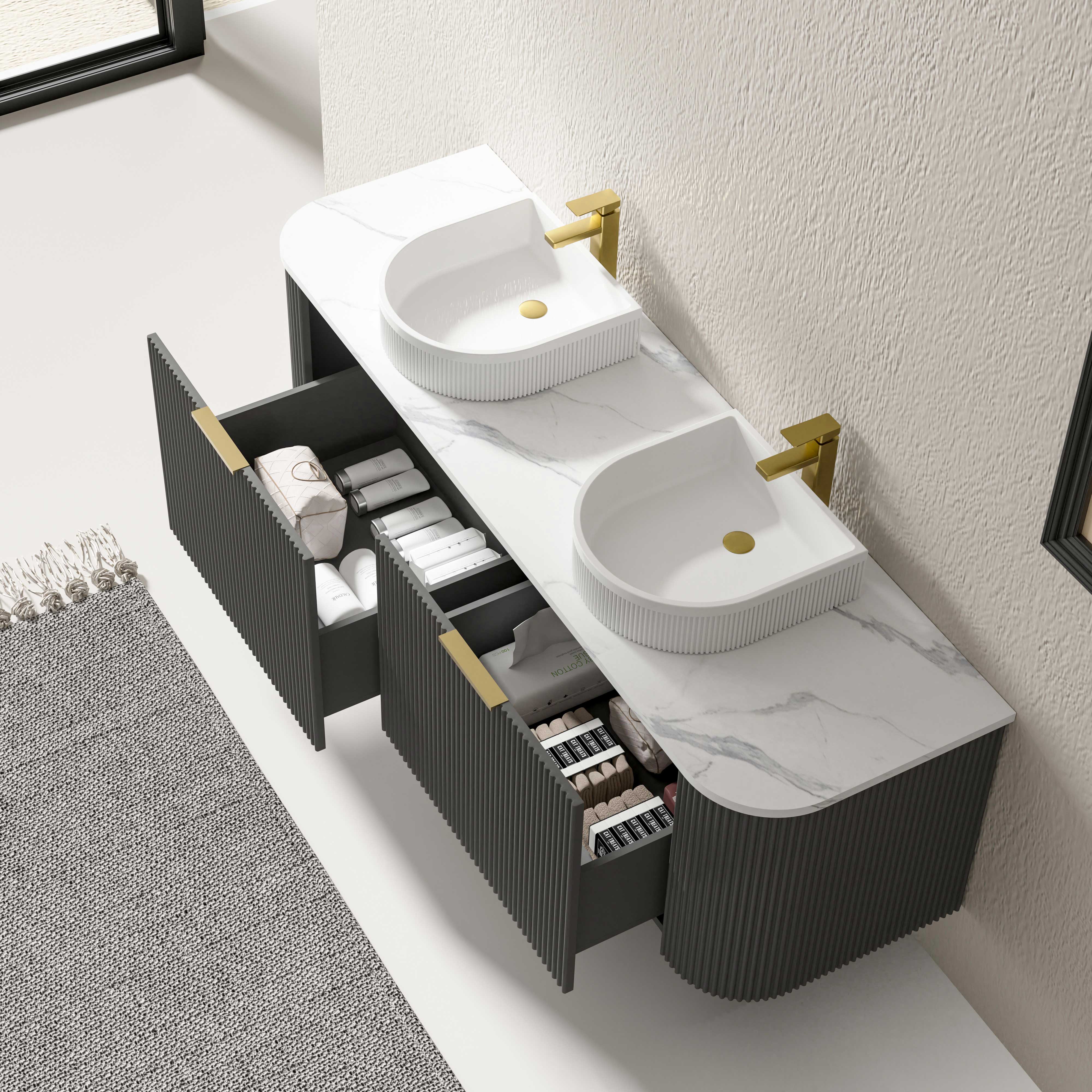
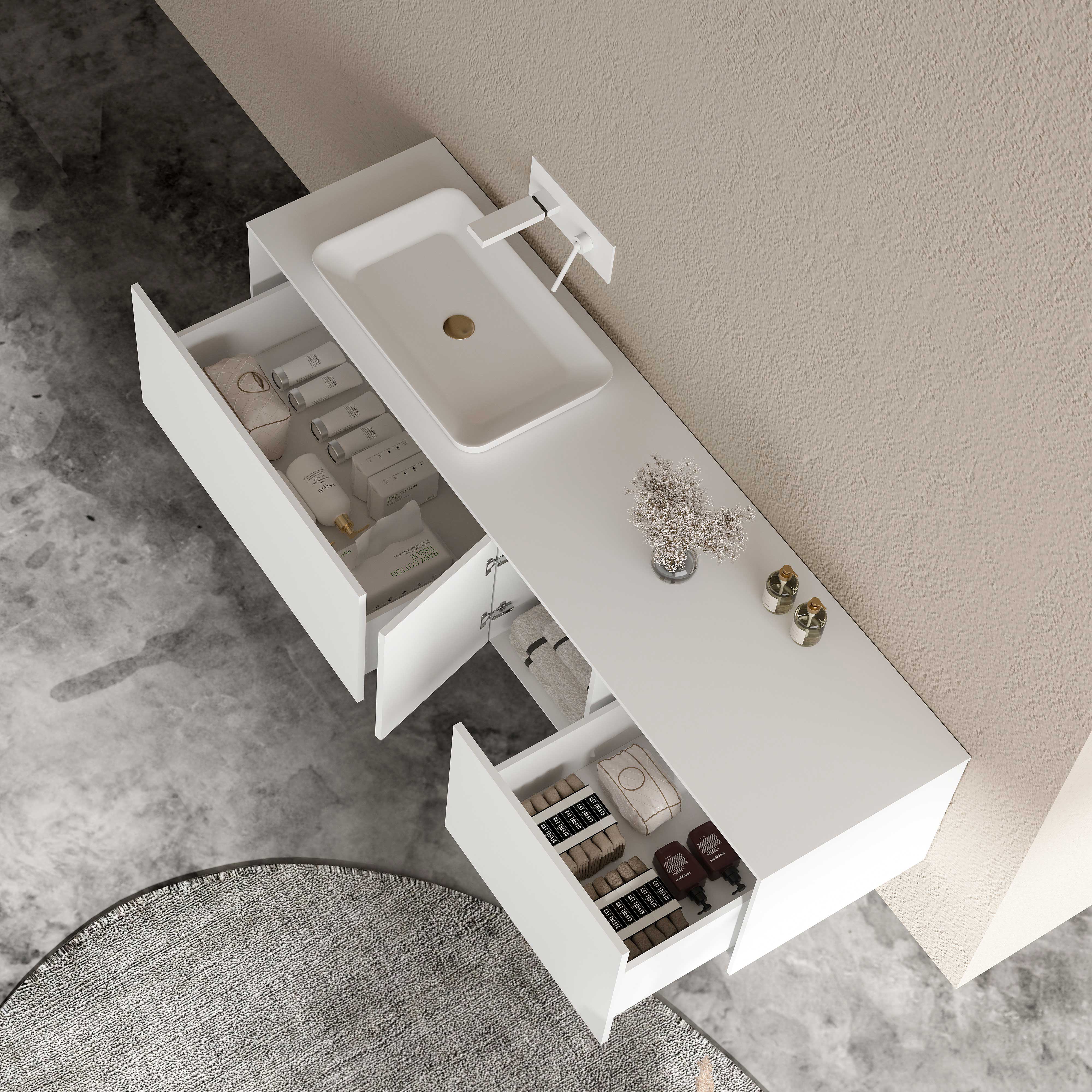
A bathroom cabinet is a storage unit specifically designed for bathrooms, typically wall-mounted or freestanding. It serves to:
Organize toiletries, towels, and hygiene products.
Enhance bathroom aesthetics with materials like wood, glass, or waterproof laminates.
Optimize space in compact bathrooms.
By definition, bathroom cabinets fit squarely into the furniture category. They fulfill functional and decorative roles, just like kitchen cabinets or bedroom wardrobes.
Why Are Bathroom Cabinets Rare in Furniture Stores?
Despite meeting the criteria for furniture, bathroom cabinets are often excluded from mainstream furniture catalogs. Here’s why:
1. Historical Categorization as “Sanitary Ware”
Traditionally, bathroom cabinets have been grouped under sanitary wares (e.g., sinks, toilets, showers) rather than furniture. This outdated classification stems from:
Industry silos: Sanitary ware manufacturers focus on plumbing fixtures, while furniture brands prioritize living rooms and bedrooms.
Perceived specialization: Retailers assume bathroom cabinets require waterproofing or plumbing expertise, deterring furniture stores from stocking them.
2. Consumer Perception
Many shoppers still associate furniture stores with sofas, beds, and dining tables—not bathroom storage. This mindset creates a cycle where:
Retailers avoid stocking niche products.
Consumers default to specialty sanitary stores or online platforms like Amazon.
3. Supply Chain Challenges
Bathroom cabinets often require:
Waterproof materials (e.g., moisture-resistant wood, treated finishes).
Custom sizing to fit diverse bathroom layouts.
Furniture retailers may lack partnerships with manufacturers equipped for these specifications.
4. Missed Market Opportunities
The global bathroom furniture market is projected to grow at 6.2% CAGR through 2030 (Grand View Research), driven by rising demand for luxury and space-saving designs. Yet, most furniture stores fail to capitalize on this trend, leaving gaps for competitors like IKEA (which successfully blends bathroom cabinets into its furniture lines).
Why Furniture Stores Should Prioritize Bathroom Cabinets
1. Rising Demand for Bathroom Aesthetics
Modern homeowners view bathrooms as extensions of their living spaces. Sleek, multifunctional cabinets—like floating vanities or mirrored units—are now central to bathroom design.
2. Cross-Selling Opportunities
Including bathroom cabinets allows furniture retailers to:
Bundle products (e.g., “Complete Your Bathroom” sets with cabinets, mirrors, and shelves).
Attract interior designers and contractors seeking one-stop solutions.
3. Competitive Advantage
Brands like IKEA and West Elm already integrate bathroom storage into their catalogs. Retailers who follow suit can differentiate themselves in a crowded market.
How to Bridge the Gap: A Call to Action
For Retailers:
Reclassify bathroom cabinets under furniture categories both online and in-store.
Partner with manufacturers specializing in waterproof, modular designs.
Educate consumers through marketing campaigns (e.g., “Your Bathroom, Your Style”).
For Consumers:
Demand bathroom cabinets from furniture retailers to drive industry change.
Explore hybrid brands like IKEA or Wayfair that blend sanitary ware and furniture.
Conclusion:
Yes, Bathroom Cabinets Are Furniture—It’s Time Stores Recognize It
Bathroom cabinets undeniably qualify as furniture, yet their absence in mainstream catalogs reflects outdated industry norms. As consumer preferences shift toward holistic home design, retailers must adapt by embracing bathroom storage solutions. By reclassifying these products and educating buyers, furniture stores can tap into a lucrative market—and finally give bathroom cabinets the spotlight they deserve.
