

Introduction: The Hidden Challenge of Ceramic Basin Imports
If you're an importer of bathroom fixtures, you've likely encountered an uncomfortable truth: ceramic washbasins face significant trade restrictions in many countries. From anti-dumping duties to complex certification requirements, bringing ceramic sanitaryware across borders has become increasingly challenging and costly.
But there's a compelling alternative that's transforming the global bathroom market: resin art washbasins—also known as solid surface, artificial stone, or quartz basins. These innovative products not only bypass ceramic import barriers but offer superior performance characteristics that today's buyers actively seek .
This article explores why resin art washbasins represent the smarter inventory choice for importers and how you can position them to capture growing market demand.
Understanding Resin/Solid Surface Washbasins
What Exactly Is a Resin Art Washbasin?
Resin washbasins, technically known as solid surface basins, are crafted from a blend of high-quality acrylic resins, natural minerals, and aluminum hydroxide. This composition creates a dense, non-porous material that combines the best qualities of natural stone with modern manufacturing precision .
You might hear them marketed under various names:
Solid surface basins
Quartz art basins
Artificial stone washbasins
Mineral resin sinks
Whatever the terminology, the core composition remains similar: approximately 60-70% natural minerals bound together with acrylic or polyester resins, resulting in a material that looks like stone but performs like engineered excellence .
How They Differ from Ceramic Basins
The fundamental difference lies in their DNA:
| Feature | Resin/Solid Surface Basin | Ceramic Basin |
|---|---|---|
| Material Composition | Acrylic resins + natural minerals + aluminum hydroxide | Fired natural clay with glaze coating |
| Manufacturing Process | Cast in precision molds, cures at low temperatures | Fired in kilns at over 1000°C |
| Structure | Homogeneous—same material throughout | Layered—clay core with surface glaze |
| Porosity | Non-porous throughout | Non-porous only if glaze remains intact |
| Weight | Lighter, easier to transport | Heavier, higher shipping costs |
The homogeneous nature of solid surface material is crucial: if a ceramic basin chips, the porous clay underneath is exposed, leading to staining and hygiene issues. If a resin basin scratches, the same material runs throughout—allowing for simple repair .
The Importer's Advantage: Bypassing Ceramic Trade Restrictions
Why Ceramic Faces Import Barriers
Ceramic sanitaryware, including washbasins, is one of the most heavily restricted product categories in international trade. Here's why:
1. Anti-Dumping Duties
Many countries impose anti-dumping tariffs on ceramic bathroom products to protect domestic manufacturers. The European Union, United States, India, and others have active anti-dumping measures against ceramic imports from specific countries . These duties can add 30-60% to product costs—sometimes more than the manufacturing cost itself.
2. Complex Certification Requirements
Ceramic sanitaryware often requires:
Country-specific water efficiency certifications
Lead and heavy metal leaching tests
Impact resistance certifications
Complicated customs classification (HS codes face frequent scrutiny)
3. High Breakage Rates = High Rejection Rates
Ceramic's brittleness means 5-10% breakage is common during international shipping. Customs inspectors flagging damaged goods can lead to entire containers being held for inspection .
4. Quota Limitations
Some countries maintain import quota systems for ceramic sanitaryware, limiting how many units can enter annually.
How Resin Basins Bypass These Restrictions
Resin/solid surface washbasins occupy a different product classification—typically falling under plastic or artificial stone HS codes rather than ceramic codes. This distinction offers several advantages:
Lower or Zero Anti-Dumping Risk
Because solid surface basins aren't "ceramic," they're excluded from ceramic-specific anti-dumping measures. Many countries have no special duties for artificial stone sanitaryware .
Simplified Certification Pathways
Solid surface's inherent properties often meet or exceed certification requirements more easily:
Non-porous means zero water absorption—ideal for water efficiency standards
No heavy metals or lead concerns (ceramic glazes sometimes contain lead)
Homogeneous material means consistent performance, no "weak points"
Reduced Customs Scrutiny
Customs officials are trained to look for ceramic sanitaryware. Solid surface basins, with their matte finishes and different weight profiles, often attract less attention during inspection.
Supply Chain Flexibility
Without quota limitations, you can import year-round without worrying about annual caps filling up.
The Durability Advantage: Built to Last
Superior Impact Resistance
One of the most compelling reasons to choose resin art washbasins is their exceptional durability. Unlike ceramic's "hard but brittle" nature, solid surface offers flexible strength .
Ceramic Basins:
Drop a heavy soap dispenser? Potential crack
Shipping container shifts during transit? Potential breakage
Installation crew accidentally bumps the basin? Potential chip
Resin Basins:
Minor impacts: Surface may flex, then return to shape
Shipping stresses: Much lower breakage rates
Installation handling: Forgiving of normal job site bumps
This durability translates directly to your bottom line: lower damage claims, less replacement inventory, and happier customers.
Scratch and Stain Resistance
Solid surface basins excel in daily use scenarios:
Non-Porous Throughout
Ceramic's glaze can wear thin over time, especially near the drain where abrasives and cleaners take their toll. Once that protective layer is gone, the underlying clay absorbs stains and bacteria .
Resin basins are non-porous all the way through. There's no "surface layer" to wear away. The material you see is the material throughout .
Repairable Surface
Here's where solid surface truly shines: minor scratches can be buffed out. Light sanding with fine-grit paper restores the original finish. Try that with a chipped ceramic basin—it's destined for the landfill .
Stain Resistance
Coffee, hair dye, makeup, hard water stains—resin basins resist them all. The dense, non-porous surface simply doesn't absorb pigments or minerals .
Long-Term Performance
In high-traffic bathrooms (hotels, offices, busy family homes), resin basins maintain their appearance years longer than ceramic. They resist:
Yellowing from UV exposure
Crazing (the fine hairline cracks that develop in ceramic glazes over time)
Design Freedom: The Artist's Choice
Unlimited Customization Possibilities
If you're importing "art washbasins," you understand that design sells. Resin material offers creative freedom that ceramic simply cannot match .
Ceramic Limitations:
Limited to shapes that can be removed from rigid molds
Mostly white (colored ceramics are rare and expensive)
Standard sizes, standard forms
Glaze-only finishes (glossy by nature)
Resin Possibilities:
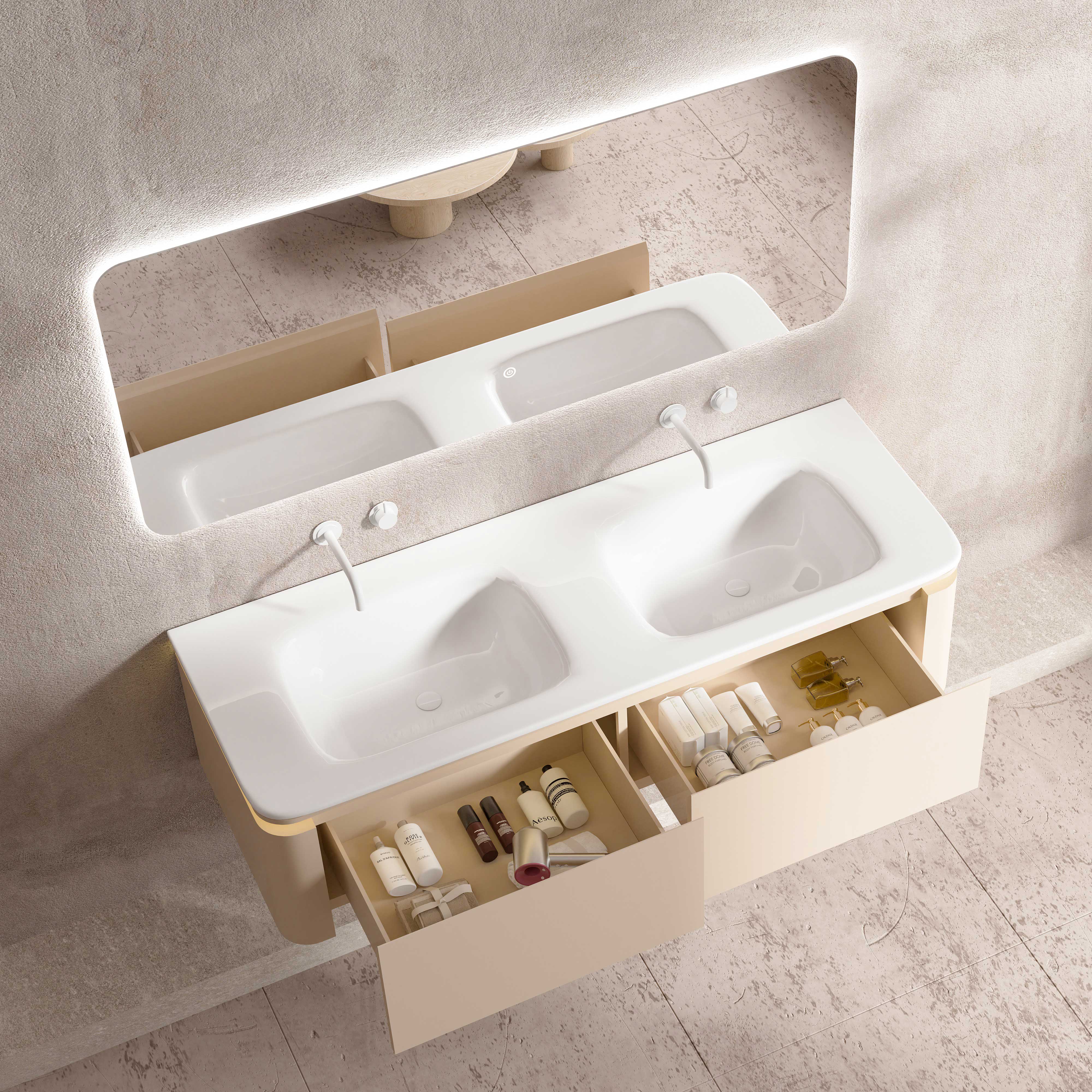
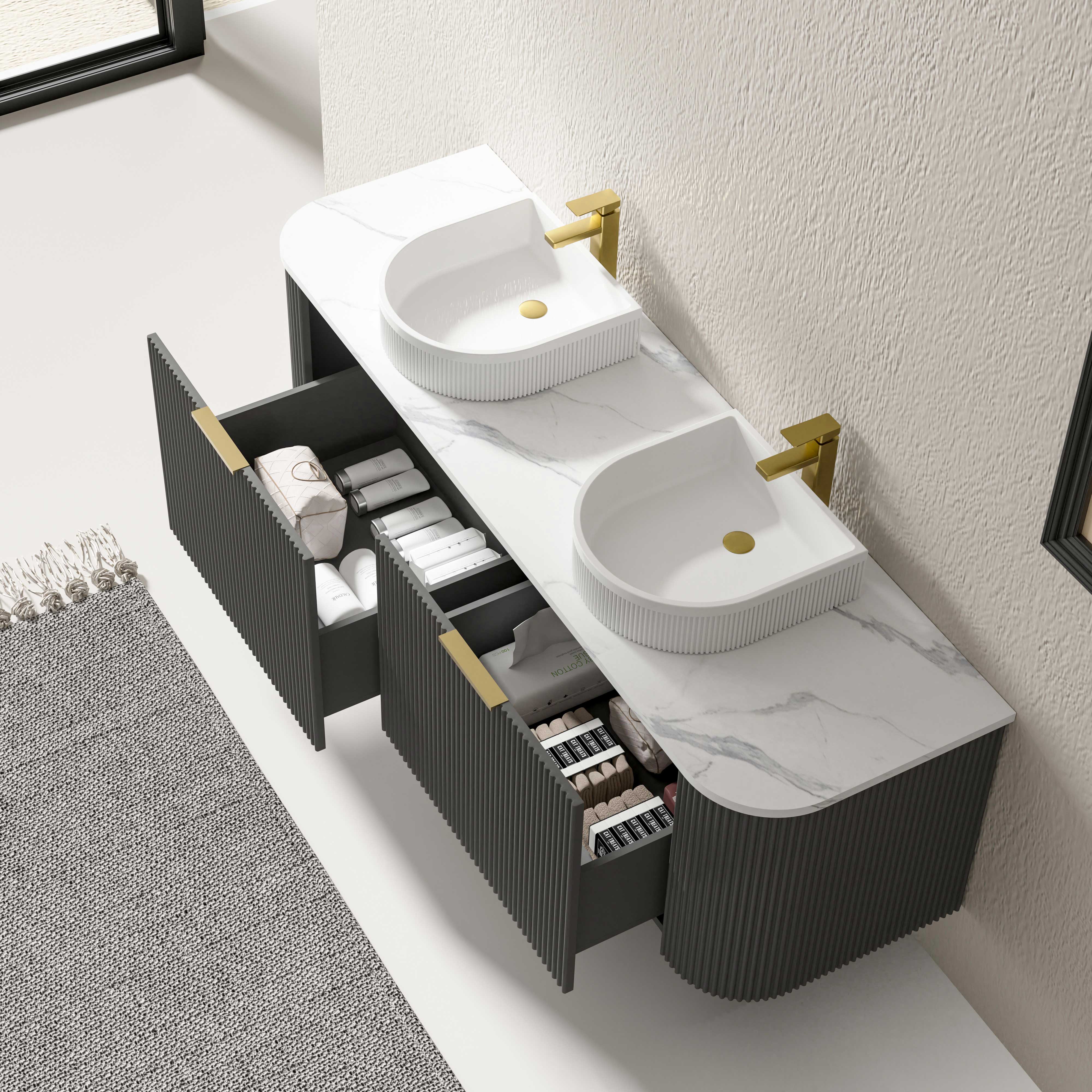
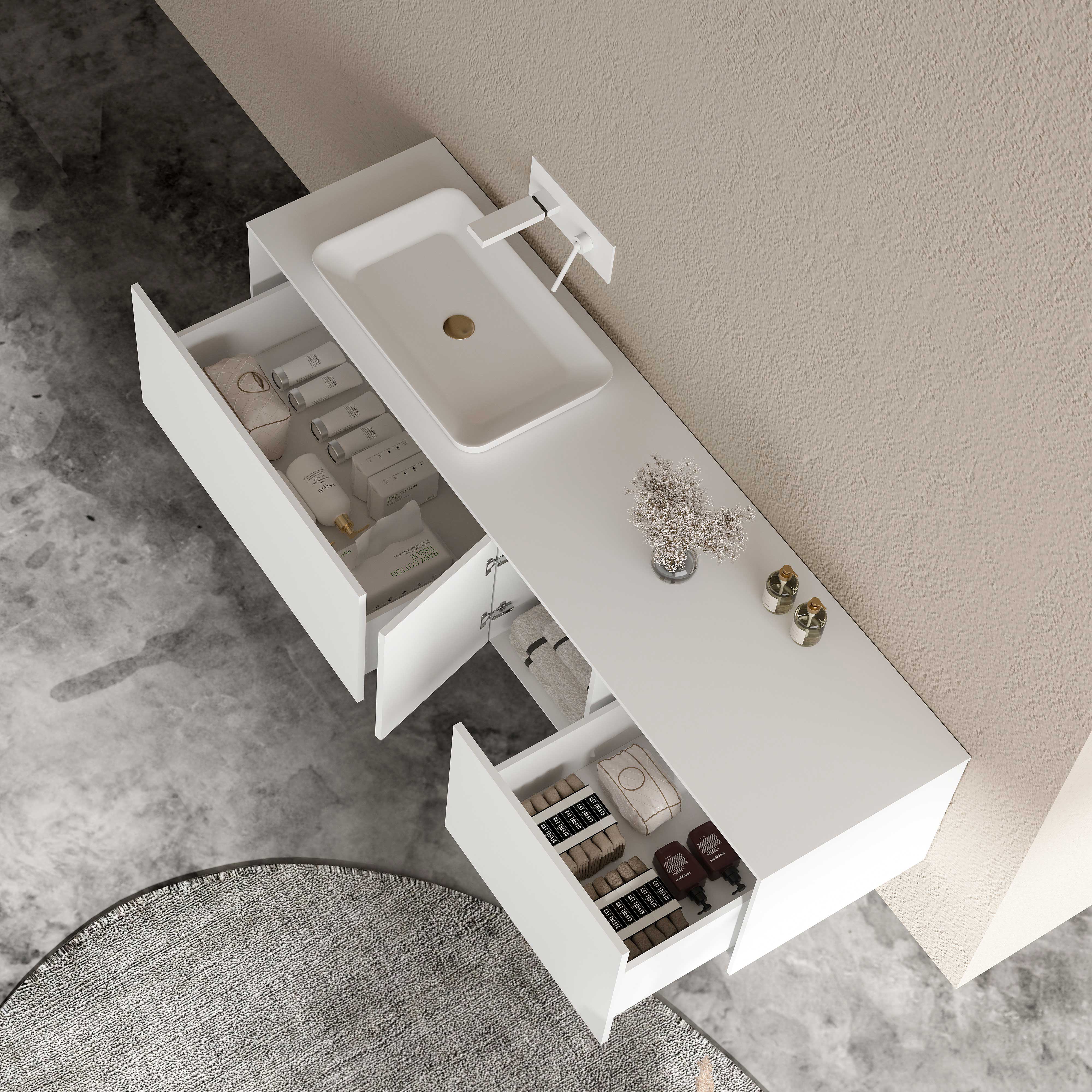
Any shape imaginable—organic curves, geometric angles, asymmetrical designs
Full-spectrum colors—from subtle neutrals to bold statements, consistent throughout
Custom sizes—exactly what your client's space requires
Multiple finishes—matte, satin, textured, even embedded decorative elements
Integrated features—soap dishes, drain grooves, waterfall edges
The Seamless Aesthetic
Solid surface allows for seamless integration with countertops and vanities. Basins can be:
Undermounted with invisible joints
Integrated as one continuous surface with the countertop
Floating with clean, minimalist edges
This seamless look is highly desirable in contemporary bathroom design—and impossible to achieve with ceramic .
Market Trends: Why Buyers Are Switching
Consumer Preference Shifting
The bathroom market is undergoing a transformation. Today's buyers—whether homeowners, hoteliers, or commercial developers—are seeking:
1. Personalization
Cookie-cutter bathrooms are out. Buyers want spaces that reflect individual style. Resin art basins offer the uniqueness they crave .
2. Low Maintenance
Time-poor consumers want beautiful products that don't demand constant upkeep. The easy-care nature of solid surface resonates strongly .
3. Sustainability
Products that last longer and can be repaired rather than replaced align with growing environmental consciousness. Resin basins' repairability is a powerful sustainability story .
4. Hotel & Hospitality Demand
Design-led hotels increasingly specify solid surface basins for:
Durability in high-turnover environments
Design flexibility for signature looks
The Numbers Tell the Story
Industry data shows that over 70% of modern bathroom renovations now feature non-ceramic materials . Solid surface represents a growing share of this trend, particularly in:
Luxury residential projects
Boutique hotels
Commercial offices
Cost Considerations for Importers
Initial Cost vs. Long-Term Value
Resin basins typically cost more upfront than basic ceramic models. However, the total cost of ownership tells a different story:
When you factor in reduced duties, lower breakage, and longer useful life, resin basins often prove more profitable over time.
Pricing Positioning
From a marketing standpoint, resin art basins occupy the mid-to-premium price tier . This positioning allows healthy margins while remaining accessible to design-conscious buyers. You're selling:
A product that looks luxurious
That performs better than standard options
That solves import problems
With a compelling customization story
Conclusion: The Strategic Advantage of Resin
For importers navigating today's complex trade environment, resin art washbasins offer a strategic pathway around ceramic restrictions while positioning your inventory for growing market demand.
The advantages are clear:
Bypass anti-dumping duties and quota limitations
Reduce shipping damage with impact-resistant material
Offer superior durability that ceramic can't match
Provide design freedom that today's buyers demand
Deliver health and hygiene benefits that matter
Capture premium pricing with compelling value
As bathroom design continues evolving toward personalization, sustainability, and performance, solid surface represents not just an alternative to ceramic—but the superior choice for forward-thinking importers.
Ready to explore resin art washbasins for your next collection? Contact us to discuss customization options, material specifications, and sample programs tailored to your market.
