

Wood vs. Metal vs. PVC for Your Bathroom: The Ultimate Moisture & Style Guide
When selecting furniture for your bathroom, the battle often comes down to three core materials: wood, metal, and pvc. Your choice will dramatically impact the room's longevity, functionality, and overall aesthetic. How do you balance the timeless warmth of wood with the rugged practicality of metal or the modern ease of plastic?
The key question is: How does wood bathroom furniture compare to metal or plastic in terms of moisture resistance and style?
Let's break down the pros and cons of each to help you make the perfect choice for your space.
1. Wood Bathroom Furniture: Classic Beauty with a Vulnerability
Wood brings an undeniable sense of warmth, luxury, and natural beauty to a bathroom. It's a classic choice for a reason.
Style: Unbeatable for creating a traditional, rustic, or organic modern look. From rich oak and elegant teak to painted finishes, wood offers incredible versatility in design and can significantly increase your home's perceived value.
Moisture Resistance: This is wood's Achilles' heel. Solid wood can warp, crack, and swell in a humid environment. Plywood and MDF, common materials for cabinetry, are particularly susceptible if not properly sealed. They can blister and delaminate when exposed to prolonged moisture. The defense for wood is a high-quality, waterproof sealant, but this requires maintenance and can fail over time.
Verdict: Choose wood for its unparalleled style, but be prepared for diligent maintenance and ensure your bathroom has excellent ventilation.
2. Metal Bathroom Furniture: Industrial Strength
Metal, particularly stainless steel and aluminum, offers a starkly different appeal. It's a favorite for industrial, minimalist, and ultra-modern bathroom designs.
Style: Creates a clean, crisp, and professional look. It’s associated with durability and a "cool," utilitarian feel. However, it can sometimes feel a bit cold or clinical for a space meant for relaxation.
Moisture Resistance: Excellent. Metal is inherently resistant to water damage, rust, and warping. It won't rot or harbor mildew on its surface, making it a hygienic and long-lasting option in a wet environment. The main concern is potential corrosion over many years if the finish is scratched, and it can show water spots easily.
Verdict: Metal is a top contender for moisture resistance. Its style is more niche, but perfect if you're aiming for an industrial or hyper-modern aesthetic.
3. Plastic Bathroom Furniture: Modern Practicality
PVC is the champion of practicality. Modern manufacturing has elevated its style far beyond the cheap, flimsy image of the past.
Style: Offers a sleek, seamless, and often glossy finish. It's great for contemporary, colorful, or futuristic bathroom designs. The main drawback has been a perceived lack of sophistication compared to wood or metal.
Moisture Resistance: Superb. Plastic is completely waterproof, immune to rot, and incredibly easy to clean. It’s the most worry-free material for dealing with humidity, splashes, and spills.
Verdict: Unbeatable for moisture resistance and low maintenance. Its style has evolved, making it a strong, practical choice for modern homes.
The Game Changer: PVC – The Best of Both Worlds?
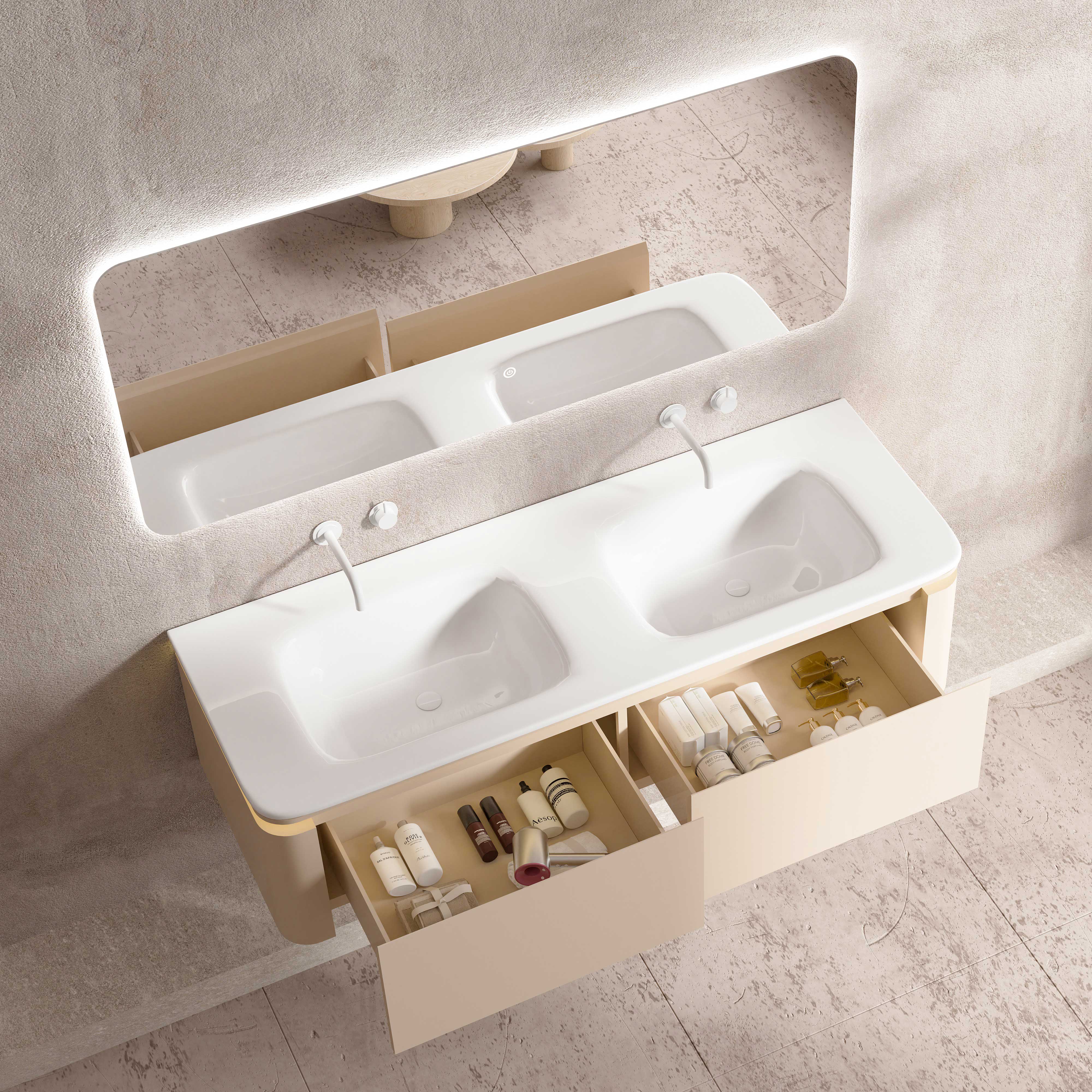
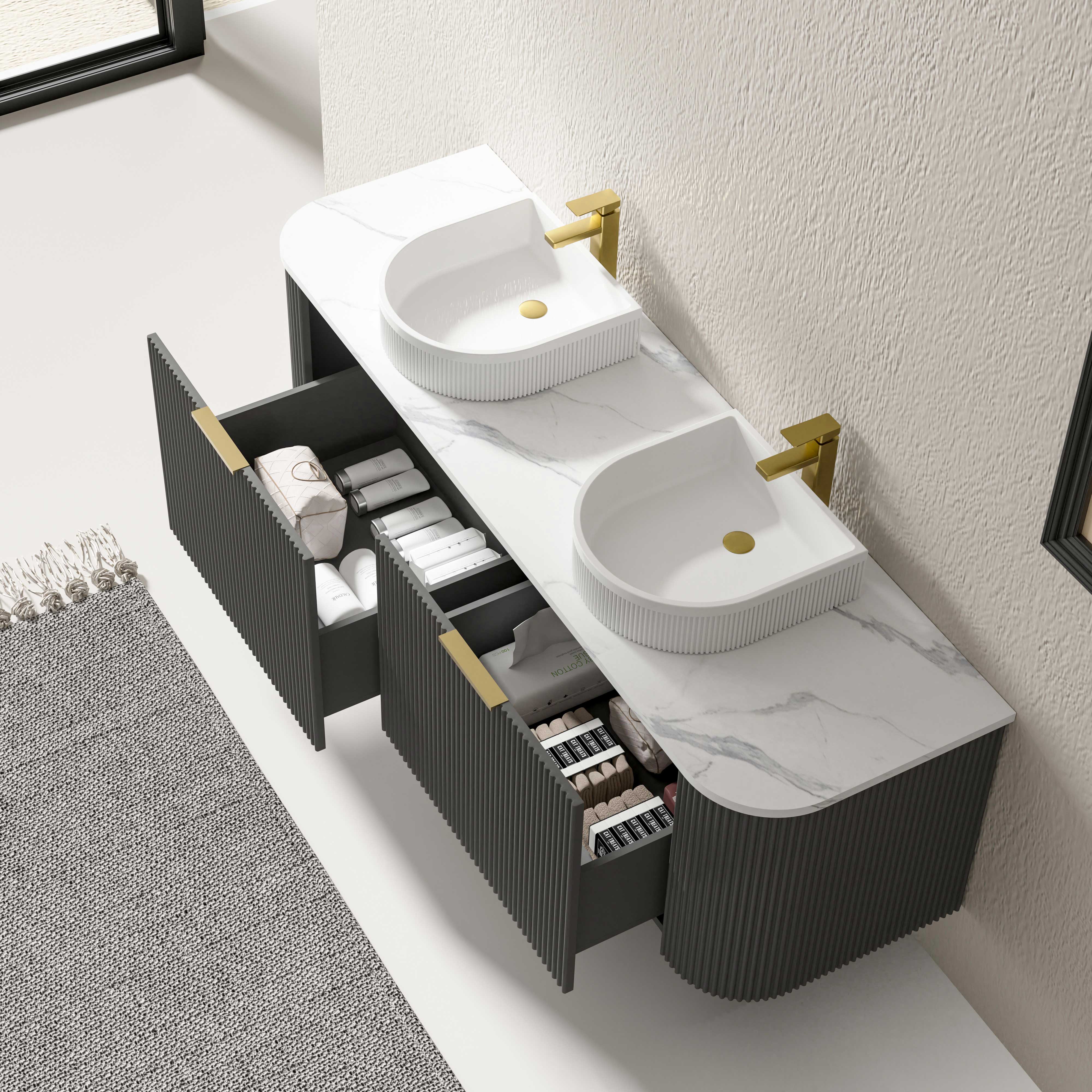
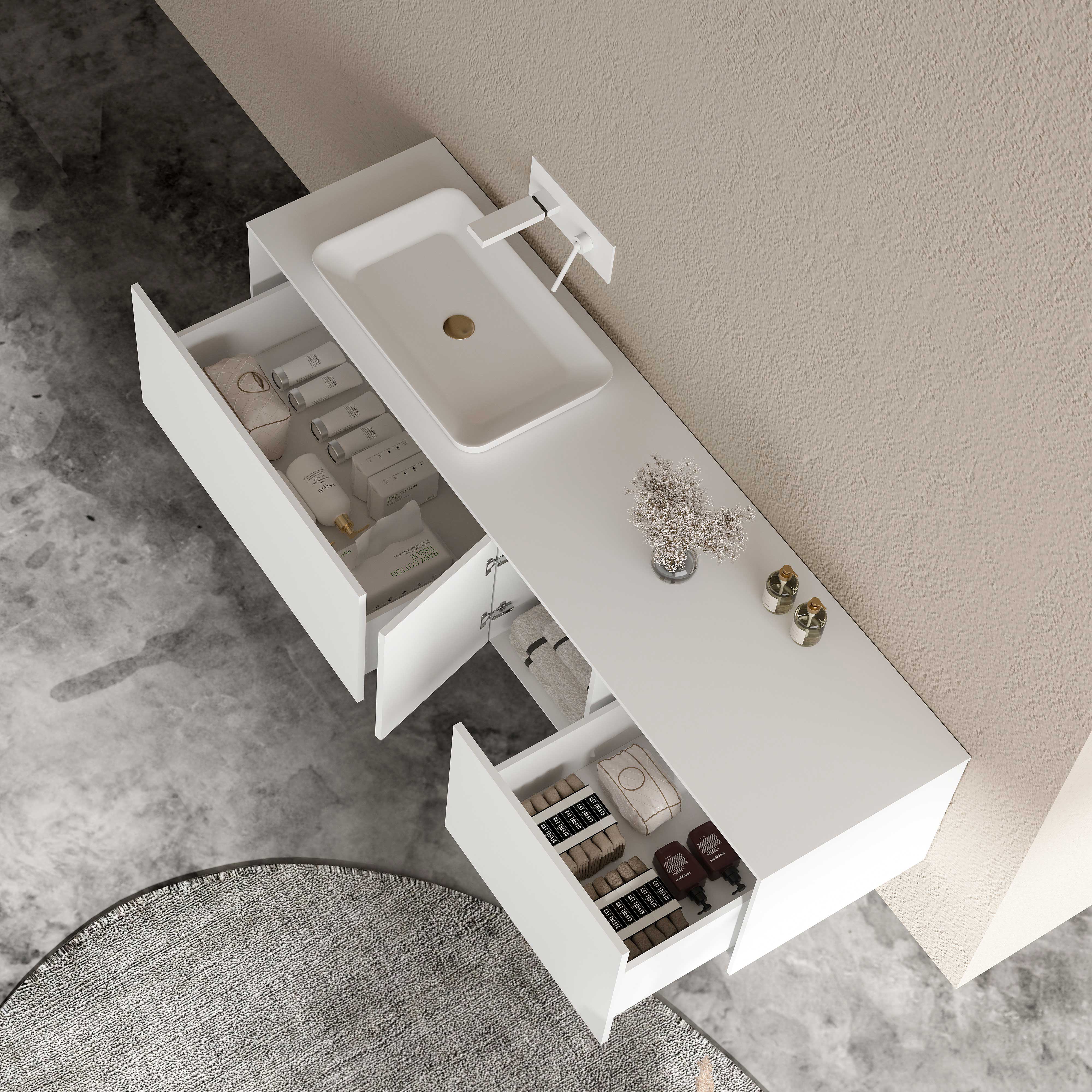
Now, what if you could have the beautiful, sophisticated look of wood and the superior moisture resistance of plastic? This is where PVC bathroom furniture, especially vanities, enters the scene and changes the game.
Advanced manufacturing techniques now allow PVC to be molded and finished with astonishing realism. The key advantage of PVC is its high moldability. This means it can be precisely formed into any design, perfectly replicating the detailed profiles, raised panels, and textured grains of a wooden plywood or MDF vanity.
So, what's the difference?
While a plywood or MDF vanity attempts to resist moisture with seals and coatings, a PVC vanity is moisture resistance built-in. The material itself is 100% waterproof, not just the surface. This leads to several critical advantages:
No Warping or Swelling: Unlike wood-based materials, PVC will not absorb moisture from the air, guaranteeing its structural integrity for years.
No Delamination: The color and texture are consistent throughout the material, so chips and scratches are far less noticeable than on a laminated wood surface.
Perfect for Humid Environments: It thrives in the steamy, wet conditions of a bathroom where plywood and MDF would eventually succumb.
Final Comparison & Conclusion
| Feature | Wood (Plywood/MDF) | Metal | Plastic/PVC |
|---|---|---|---|
| Moisture Resistance | Fair (Requires sealing) | Excellent | Superior / Waterproof |
| Style & Aesthetics | Excellent (Warm, Natural) | Good (Industrial, Cool) | Excellent (Modern, can mimic wood) |
| Durability | Good (if maintained) | Excellent | Excellent |
| Maintenance | High | Medium | Low |
| Cost | Medium to High | Medium to High | Competitive |
The Bottom Line:
Choose wood if you prioritize classic, high-end aesthetics and are committed to maintaining it in a well-ventilated bathroom.
Choose metal for an industrial, ultra-hygienic look and top-tier durability with minimal worry about water damage.
Choose PVC for the ultimate practical luxury. It offers the beautiful, wood-like design you love with far better anti-humidity character than plywood or MDF, making it the smart, long-lasting, and stylish choice for the modern bathroom.
When making your decision, consider the humidity level in your bathroom and your long-term maintenance preferences. With PVC technology, you no longer have to sacrifice style for supreme moisture resistance.
